Keith Little Badger Hand Forged Historical Blades

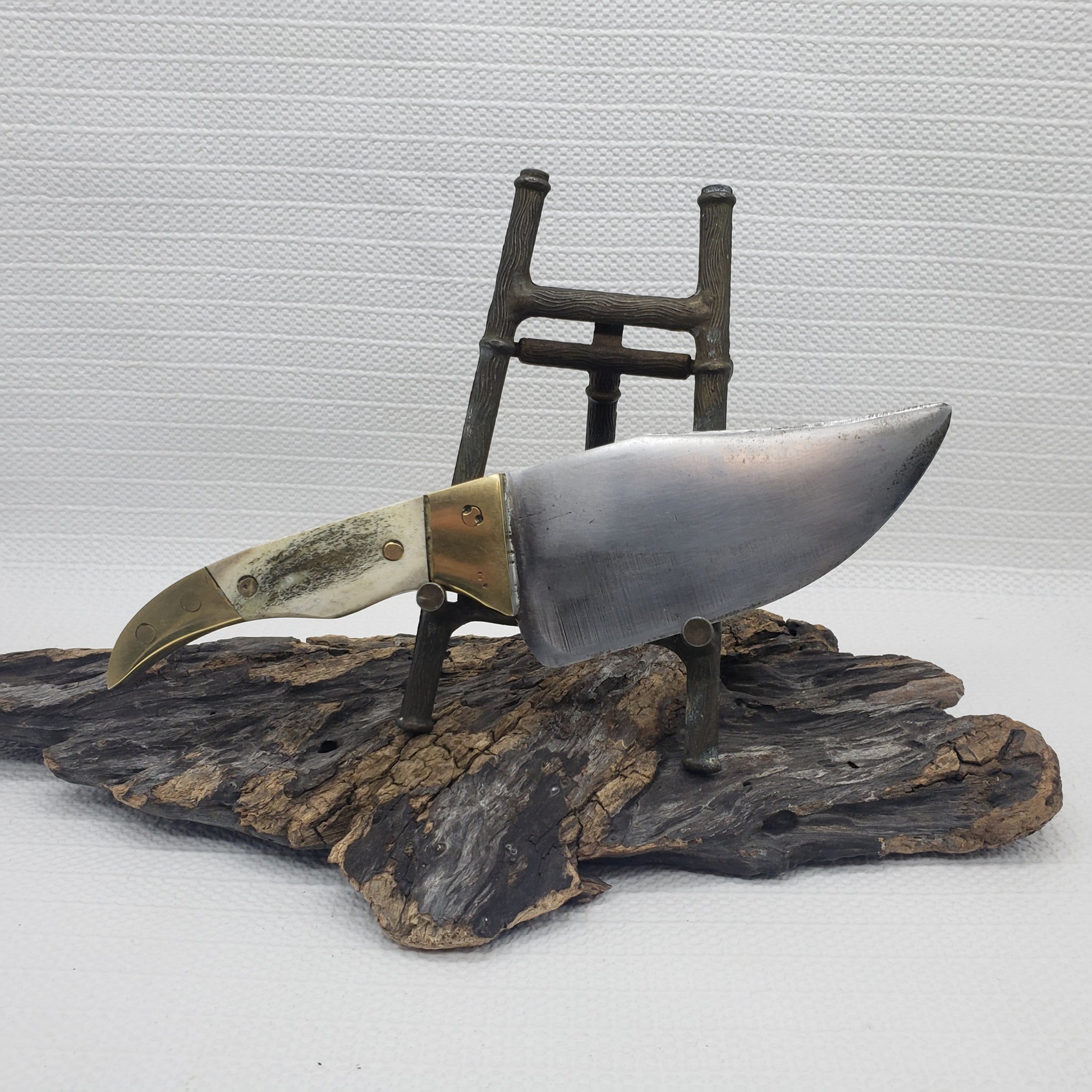
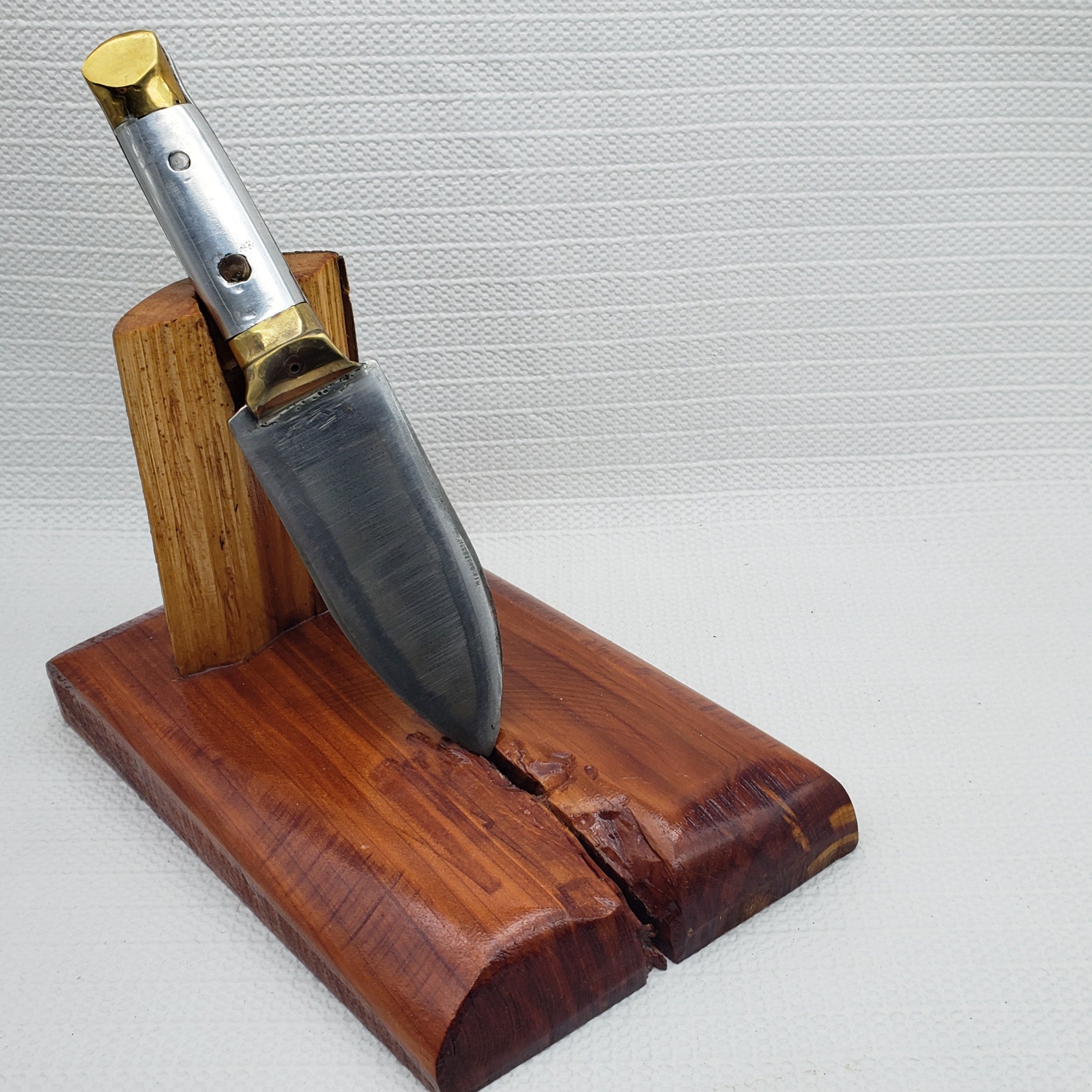
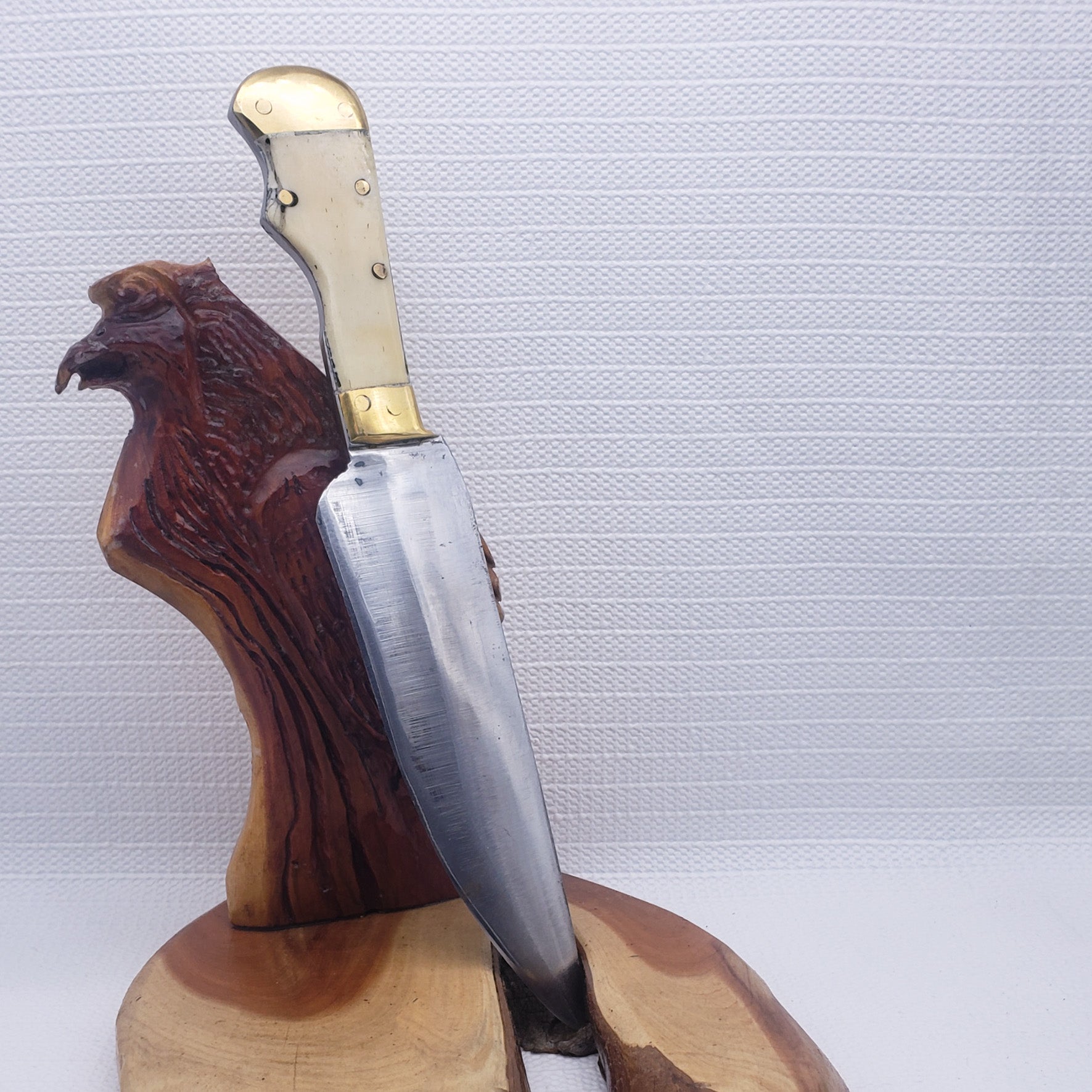
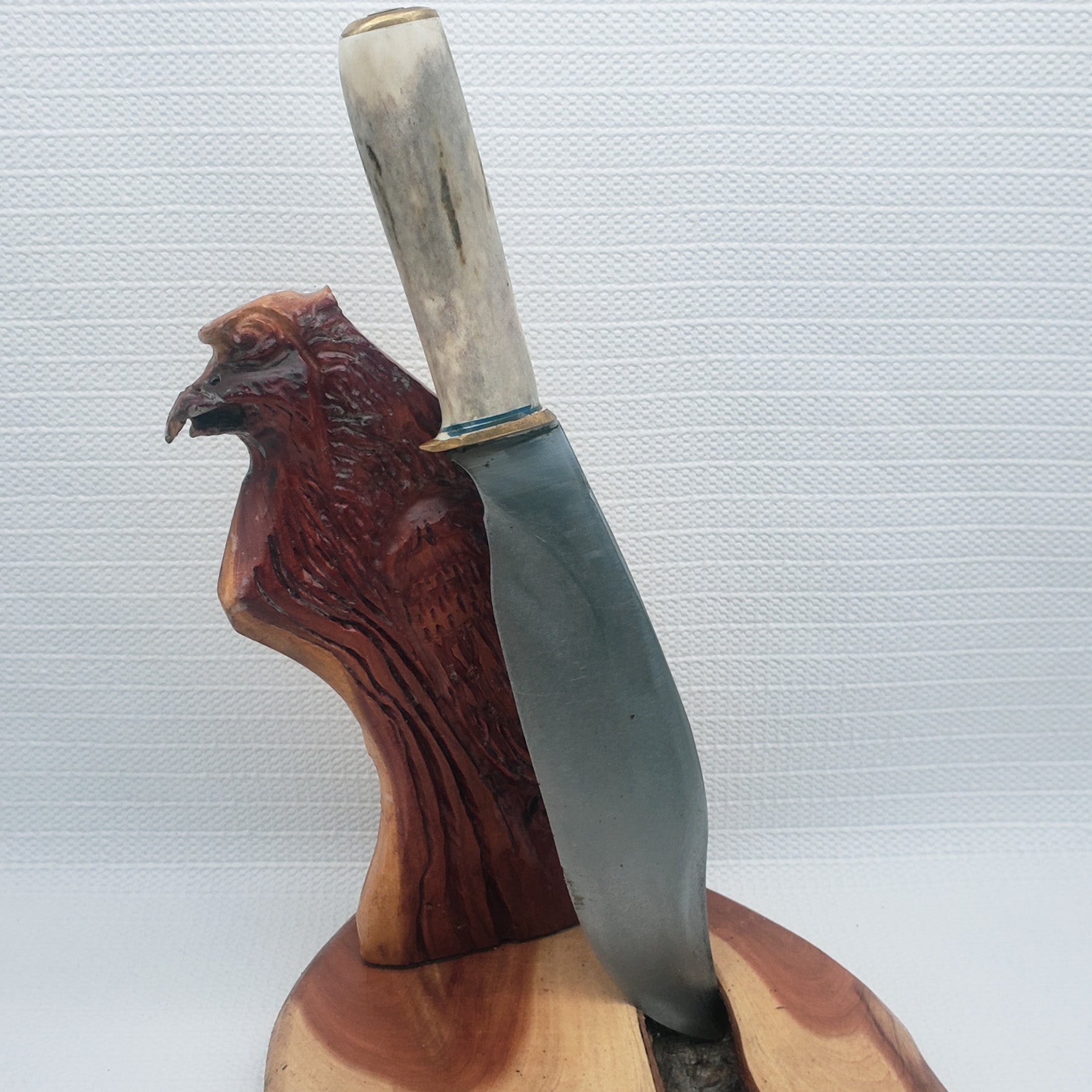
Keith Little Badger Handforged traditionally blade maker. Keith is a member of the Canadian Metis Tribal Member and works under his US Cherokee Tribal membership number. He is a traditional knife maker using designs from 1815 to 1880. Keith cuts his steel, forges his steel, hardens the blade, and turns it into his own one of a kind blade and handle. Never two knives are the same, no mass productions.


Carbon blades are known for their patina… and rusting without oiling. Forging a carbon blade is an art. The blade needs to be taken care of with a light coat of oil regularly. I oil my blades weekly with machine oil like a 3 in 1. I emphasize weekly to get that beautiful blue Patina these old blades were known for. That is why so many modern blades are made from a form of stainless steel. Stainless blades are hard to keep sharp but they do not rust. There is not much work involved in a stainless blade but the regular sharpening process because they do not hold an edge. Carbon blades hold an edge and are stronger and more versatile.
Little Badger Knives are made using the same techniques and styles of the original frontiersman knives of the 1820’s and 1830’s. Very few of those men used a mass produced knife. They were forged by the local blacksmith. Each knife was an individual piece.
Badger knives are made in the same tradition. Each knife is unique, no two knives are the same. I ship knives, well oiled, wrapped in plastic wrap. Do not touch the blade. Touching the blade of a newly forged carbon blade can leave permanent prints from the oil in our skin. I never touch the blade with my skin. I always use a fine cloth. When you get your knife Wipe the oil on the knife and re oil. It only takes a couple drops. Oil weekly and you will build a beautiful blue patina on the blade.

The traditional seed bead work is Badgers wife’s, Talking Bird, art, also a Metis tribal member. Talking bird uses her own unique stitch, always with a flaw. This flaw cannot be replicated by machinery and traditionally teaches us that we and everything is flawed. Nobody is perfect. talking bird with her own unique pattern.
Keith Little Badger, Metis and Cherokee Indian*, began crafting knives over 40 years ago. He carved wooden knives for his two sons, teaching them safety before allowing them to handle “real” knives. Little Badger began constructing his signature antler handle knives 30 years ago, which he sold in his store, the “Dakota Saddle Blanket,” in Deadwood, South Dakota.
For many years, Keith earned his living in construction, but his passion and his heritage called to him. In 2000, Little Badger and his wife, Cheryl Talking Bird, started their Native American company: The Drum People. For the next 20 years, Keith built hand drums, sweat lodge drums and powwow drums. His drums can be found in every state, including Hawaii and Alaska, and in over 25 different countries around the world. While his focus was drum-making, Keith continued to create his unique knives, as well as tomahawks, bows, and many other native crafts.
To protect Little Badger’s drums, Cheryl Talking Bird developed a distinctive style of drum bag. She beaded Keith’s drumsticks using the Peyote stitch. She also custom painted drums, each unique and meaningful only to its owner. Talking Bird continues collaborating with Keith by hand-beading his knife sheaths, making these knives truly rare and one of a kind.
*Authentic Native American Knives
As a member of the state-recognized tribe, Cherokees of Northeast Alabama, Keith Little Badger is in full compliance with The Indian Arts and Crafts Act of 1990. This Act protects Native American Artisans. All products must be marketed truthfully regarding Indian heritage and tribal affiliation of the producers.
-
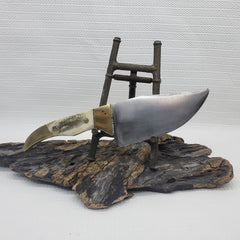 QUICK VIEW
Little Badger Brule Scalping Knife Traditional Butchering/Scalping Knife
$ 110.00$ 40.00 SALELittle Badger Brule Scalping Knife Traditional Butchering/Scalping Knife
$ 40.00$ 110.00Brule Sioux home in South Dakota. Brule’s ran on the plains of South and North Dakota. The Brules were known to raid the from time to time, just as the...View full product details → -
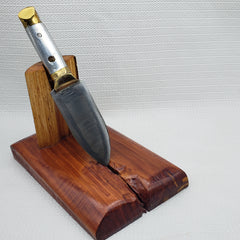 QUICK VIEW
Little Badger Sante Fe Trail Traditional Beaver Butchering Scalping Knife 3 star Sheath
$ 125.00$ 45.00 SALELittle Badger Sante Fe Trail Traditional Beaver Butchering Scalping Knife 3 star Sheath
$ 45.00$ 125.00Sante Fe, New Mexico, home of the Apache. Up till the later 1870’s the Sante Fe Trail ran from Kit Carson to Las Animas around 300 miles. This trail was...View full product details → -
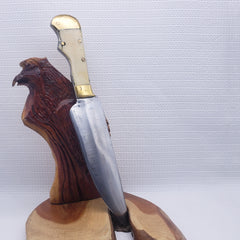 QUICK VIEW
Montana Marauder Bowie Little Badger Style
$ 199.00$ 65.00 SALEMontana Marauder Bowie Little Badger Style
$ 65.00$ 199.00The marauder bowie was a common style working kife in Montana cattle country. Marauder Bowies are rugged, relentless and reliable. Badger took a risk on this knife. These marauder knives...View full product details → -
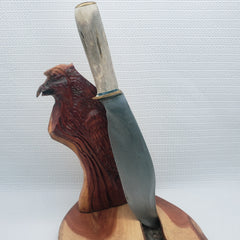 QUICK VIEW
Roach Belly Knife 1810 to 1820 Little Badger Handcrafted
$ 200.00$ 65.00 SALERoach Belly Knife 1810 to 1820 Little Badger Handcrafted
$ 65.00$ 200.00Our Knife: This is a Little Badger design Roach Belly Knife from the middle 1810’s. He has used the classic lines patterned after actual Roach Belly knives. This Roach Belly ...View full product details →