Knives
 Knives have come a long way from ancient days where they were made of wood, bone, and similar highly perishable materials. They've gone from being just an essential tool to being an every day carry for many.
Extremely Sharp offers the best mix of new materials, old world quality modern innovation. Look below or pick a section from the menu above to find the knife that will meet your needs for throwing, collecting, survival or hunting or pretty much anything you need. Our favorites may be the new tactical pocket knives. Of course, a shuriken is always a ton of fun and we love the pen knives!
-
 QUICK VIEW
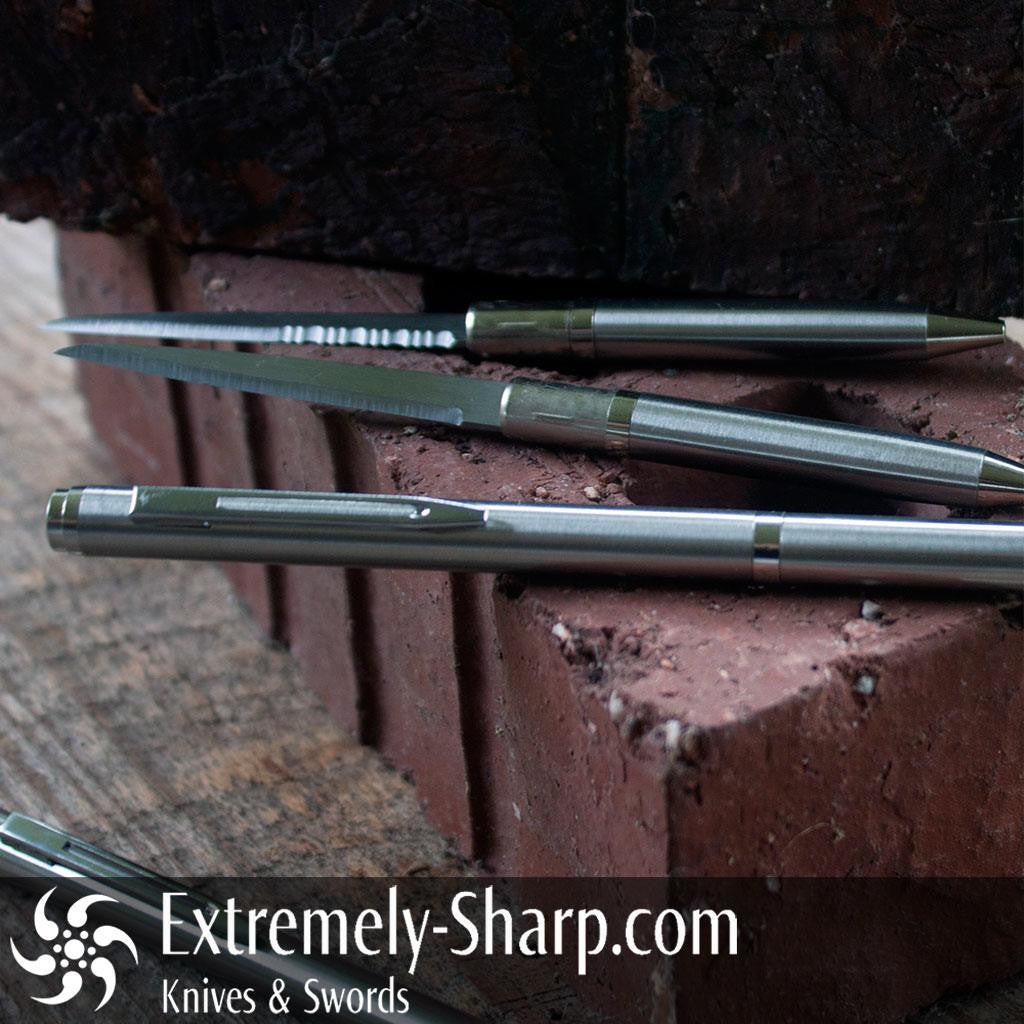
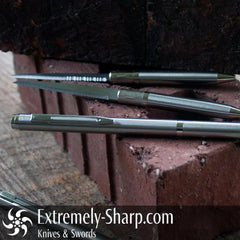
Silver Slim Pen Knife
$ 12.95$ 6.95 SALESilver Slim Pen Knife
$ 6.95$ 12.95Pen Knifes are actual pens that could save your life. They look like an ordinary pen, but feature a 440 stainless blade that is revealed by pulling the pen apart....View full product details → -
 QUICK VIEW
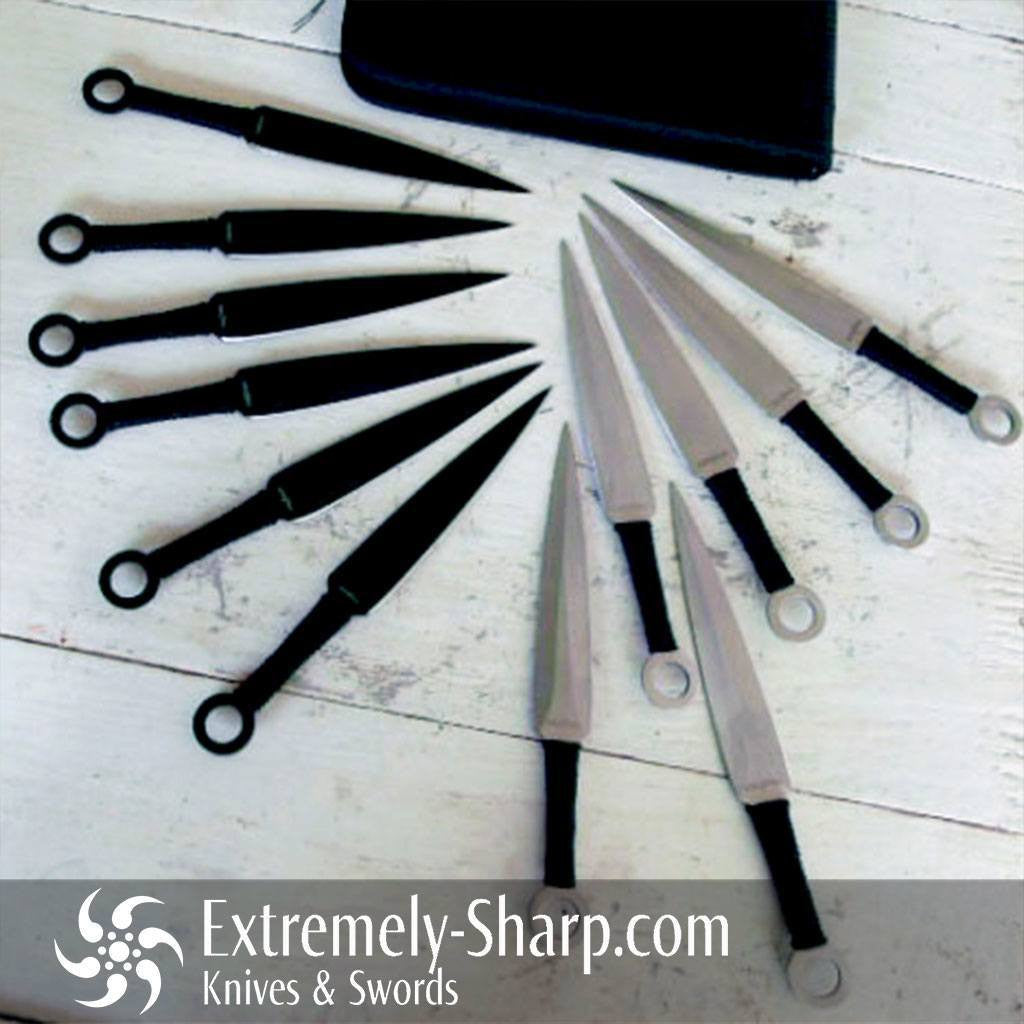
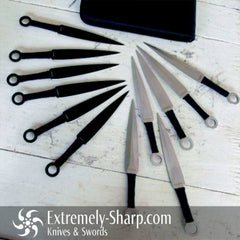
Hapkido Runner Set 8 1/2" Kunai Throwing Knives 12 Piece Set
Out of stock SALEHapkido Runner Set 8 1/2" Kunai Throwing Knives 12 Piece Set
$ 12.99$ 64.95Sorry, this item is out of stock
This is a set of 12 Hapkido Runner. These Hapkido Gliders are a Throwers dream. They are precision made and they are durable. Each knife is 8-1/2 inches long. Our Hapkidos...View full product details → -
 QUICK VIEW
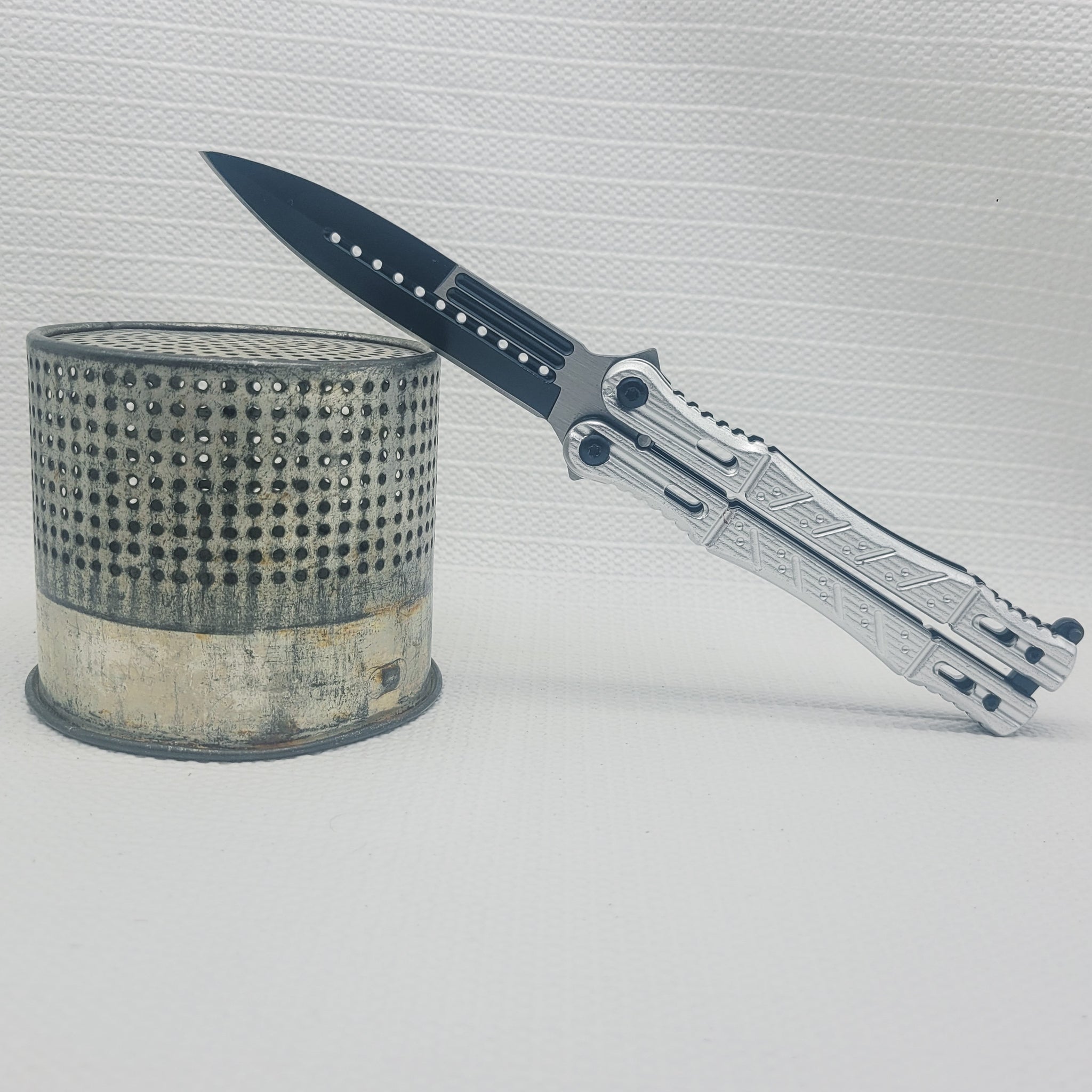
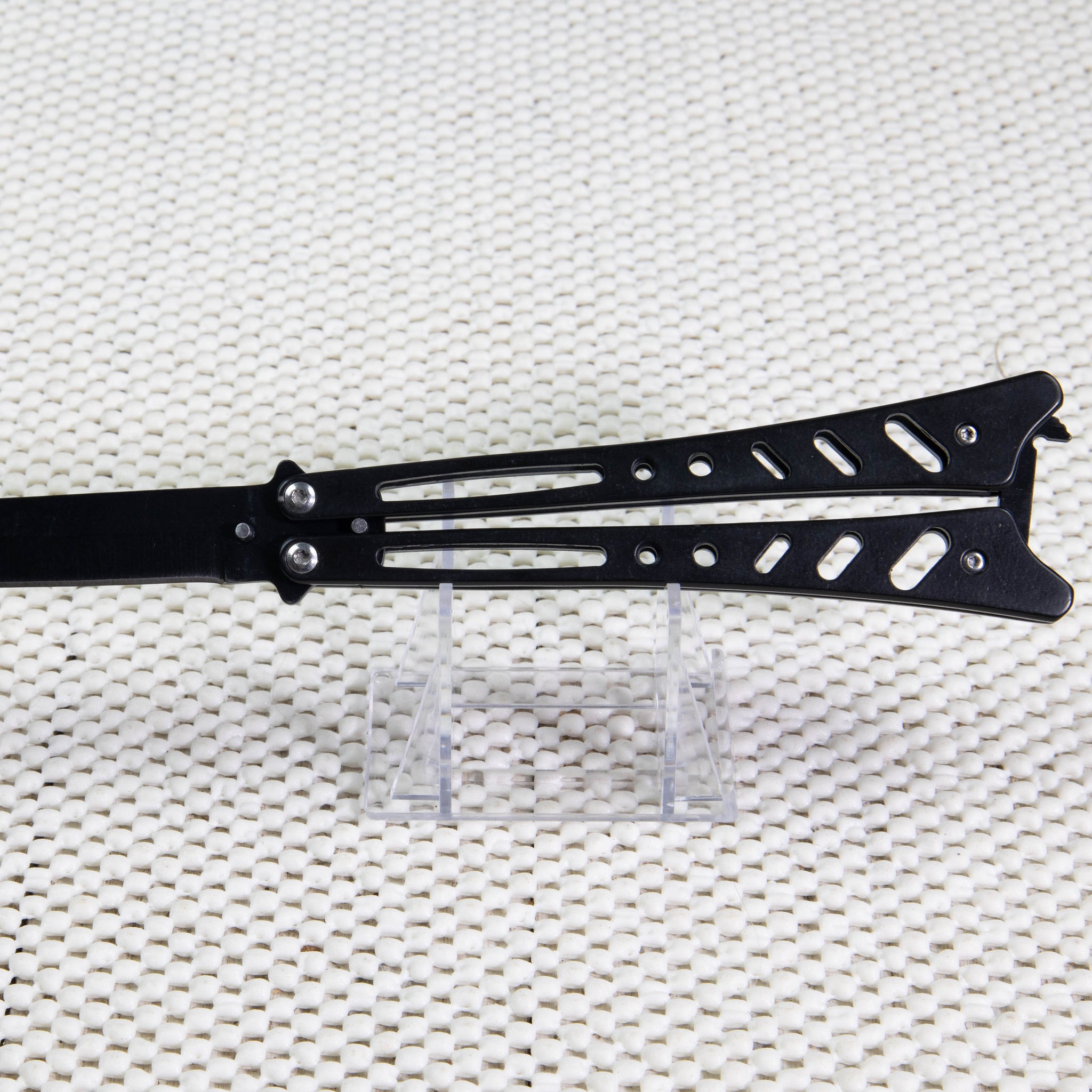
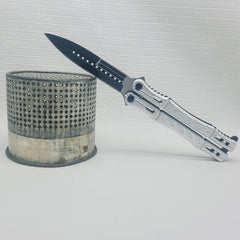
Bayou Crick Bailisong flip knife Butterfly Blade
Out of stock SALE NEWBayou Crick Bailisong flip knife Butterfly Blade
$ 21.99$ 42.99Sorry, this item is out of stock
This knife is a bali from older distinct cultures with a modern flair. The old school Philippine design has a tooled aircraft aluminum handle. The faux double edge blade is made from...View full product details → -
 QUICK VIEW
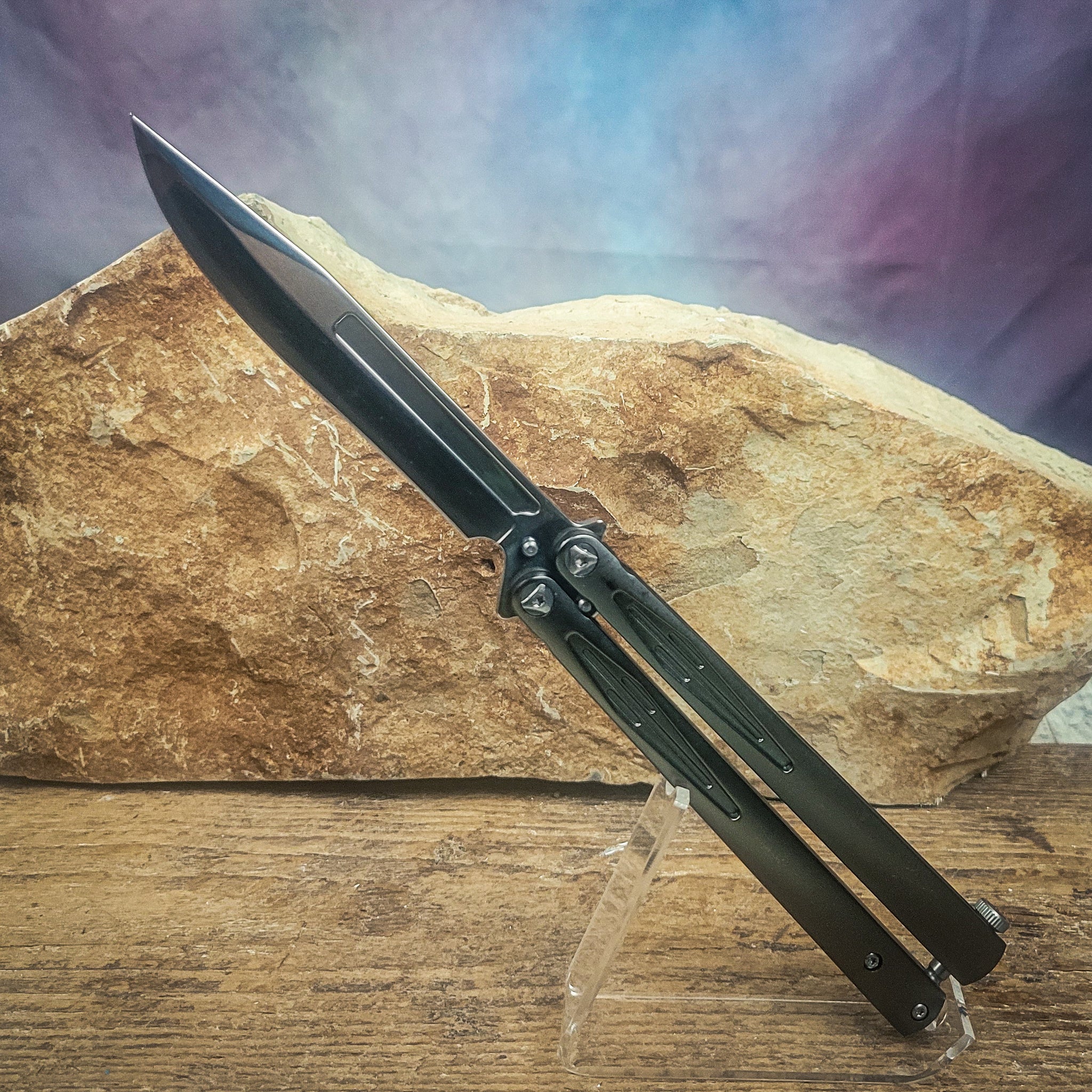
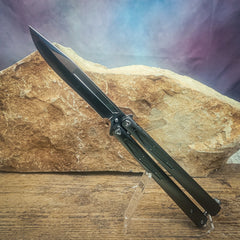
Happy Jack Butterfly Bailisong flip knife Butterfly Blade 4.5" blade
$ 54.99$ 26.99 SALE NEWHappy Jack Butterfly Bailisong flip knife Butterfly Blade 4.5" blade
$ 26.99$ 54.99This knife is a bali designed from older, larger Pariaso blades. The simple Philippine design has a tooled aircraft cast handle, medium weight. The clip blade is made from 440 stainless, sharp with groove. Butterfly...View full product details → -
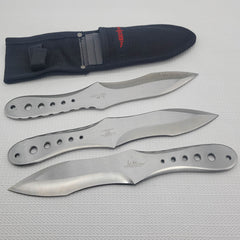 QUICK VIEW
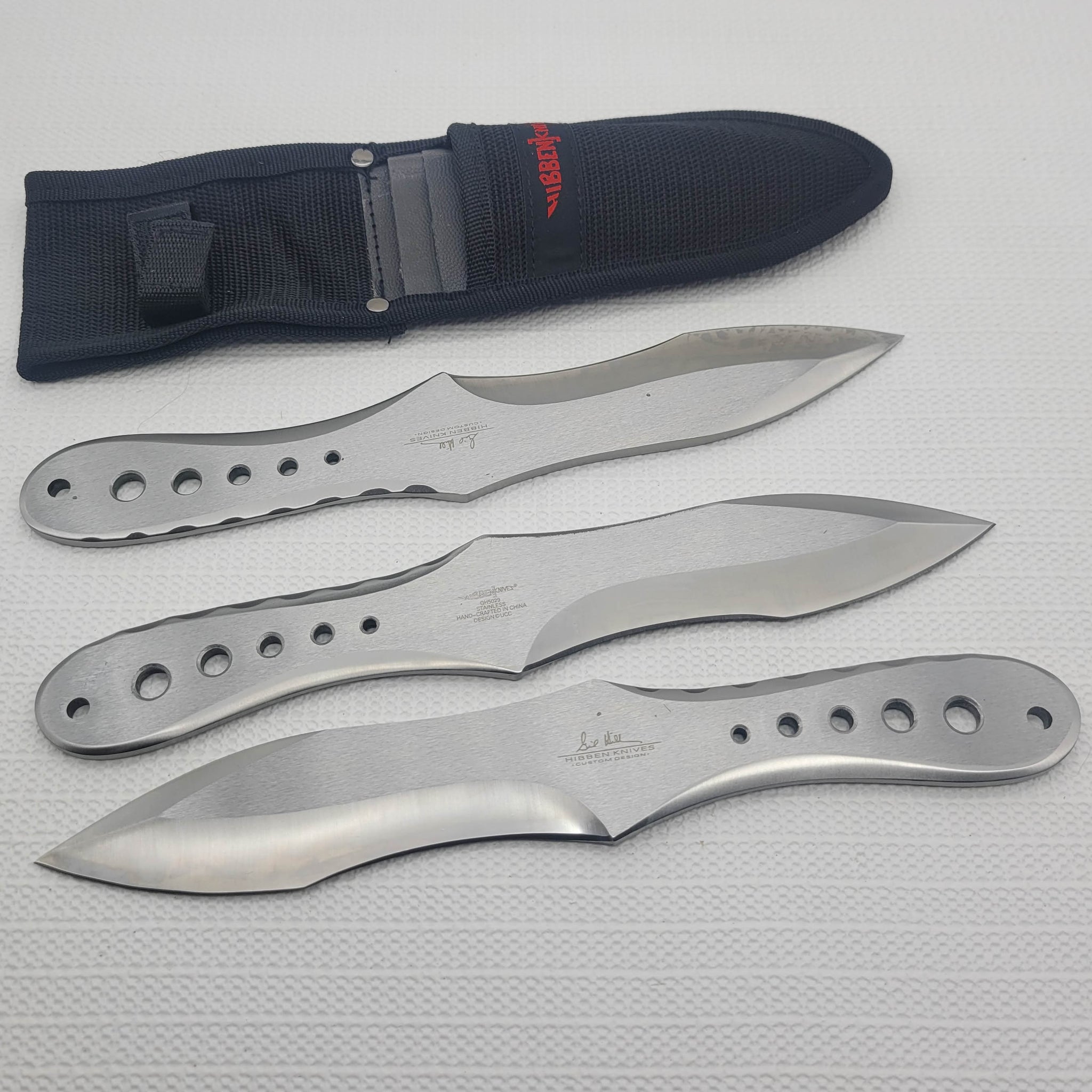
Gill Hibben Large Competition Throwing Knives Knife Set United Cutlery GH5029
Out of stock SALE NEWGill Hibben Large Competition Throwing Knives Knife Set United Cutlery GH5029
$ 44.99$ 79.99Sorry, this item is out of stock
Professional Large Penetrating Throwers Throwing Knives Designed by Gil Hibben, who is a master knife maker, an avid knife thrower, and author of the Hibben knife-throwing guide,...View full product details → -
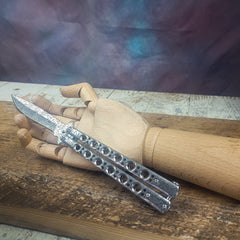 QUICK VIEW
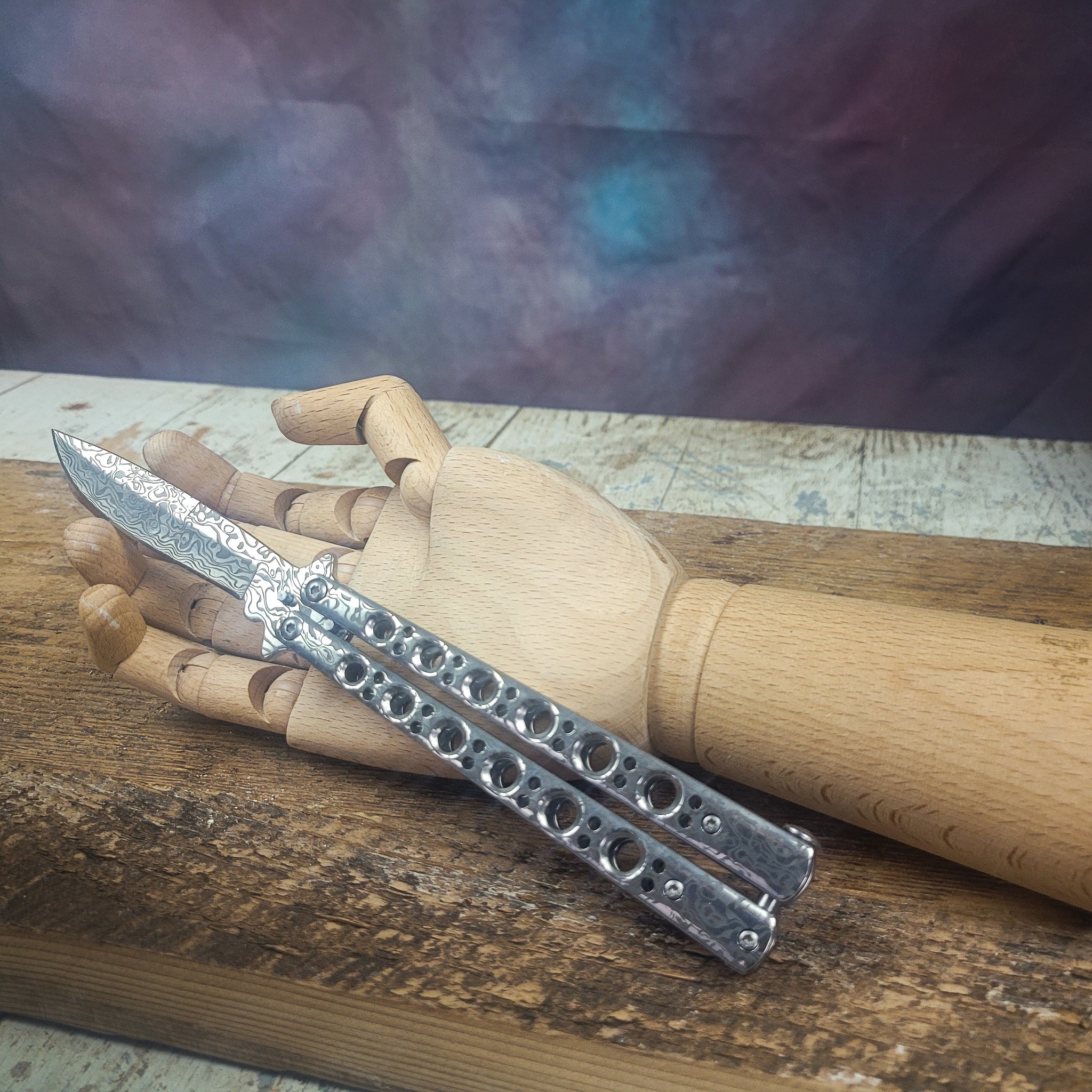
Jackson Damascus Etched tooled Drilled Butterfly Balisong Flip Knife
$ 49.99$ 26.99 SALE NEWJackson Damascus Etched tooled Drilled Butterfly Balisong Flip Knife
$ 26.99$ 49.99This is a very unique Balisong taking "old world" designs with new world technology. A very unique knife indeed. Handles are Heavy aircraft aluminum, tooled and drilled, giving the handle...View full product details → -
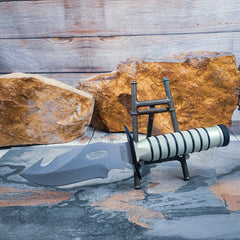 QUICK VIEW
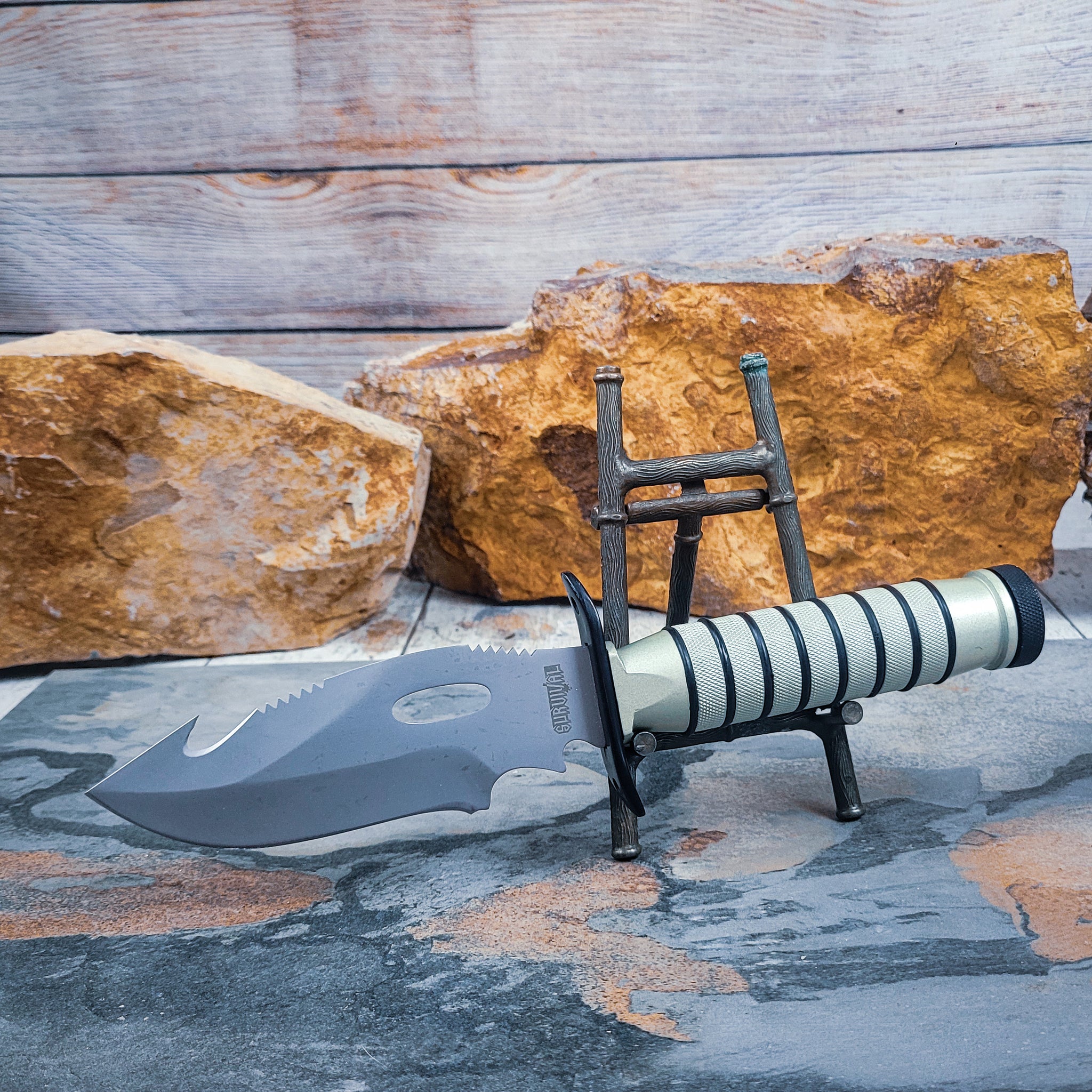
11" Survival Guthook Hunting Knife Kit with Nylon Sheath SUR-716-110A
$ 26.99$ 12.00 SALE NEW11" Survival Guthook Hunting Knife Kit with Nylon Sheath SUR-716-110A
$ 12.00$ 26.9911" Overall length5.75" Blade LengthMatchesFishing line and hookNeedle and string CompassSheathThis knife features a stainless steel blade with a gutting hook, with a serrated back side. This knife also features...View full product details → -
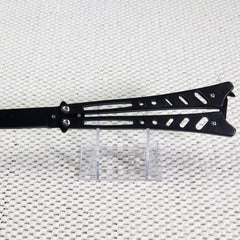 QUICK VIEW
Philippine eagle Winged Balisong Butterfly Flip Knife
$ 39.99$ 24.99 SALE NEWPhilippine eagle Winged Balisong Butterfly Flip Knife
$ 24.99$ 39.99This Balisong is Designed with the Philippine Eagle in mind. Winged handles give this butterfly an interesting look that is hard to forget. 9" long opened. 4" closed. The handle...View full product details → -
 QUICK VIEW
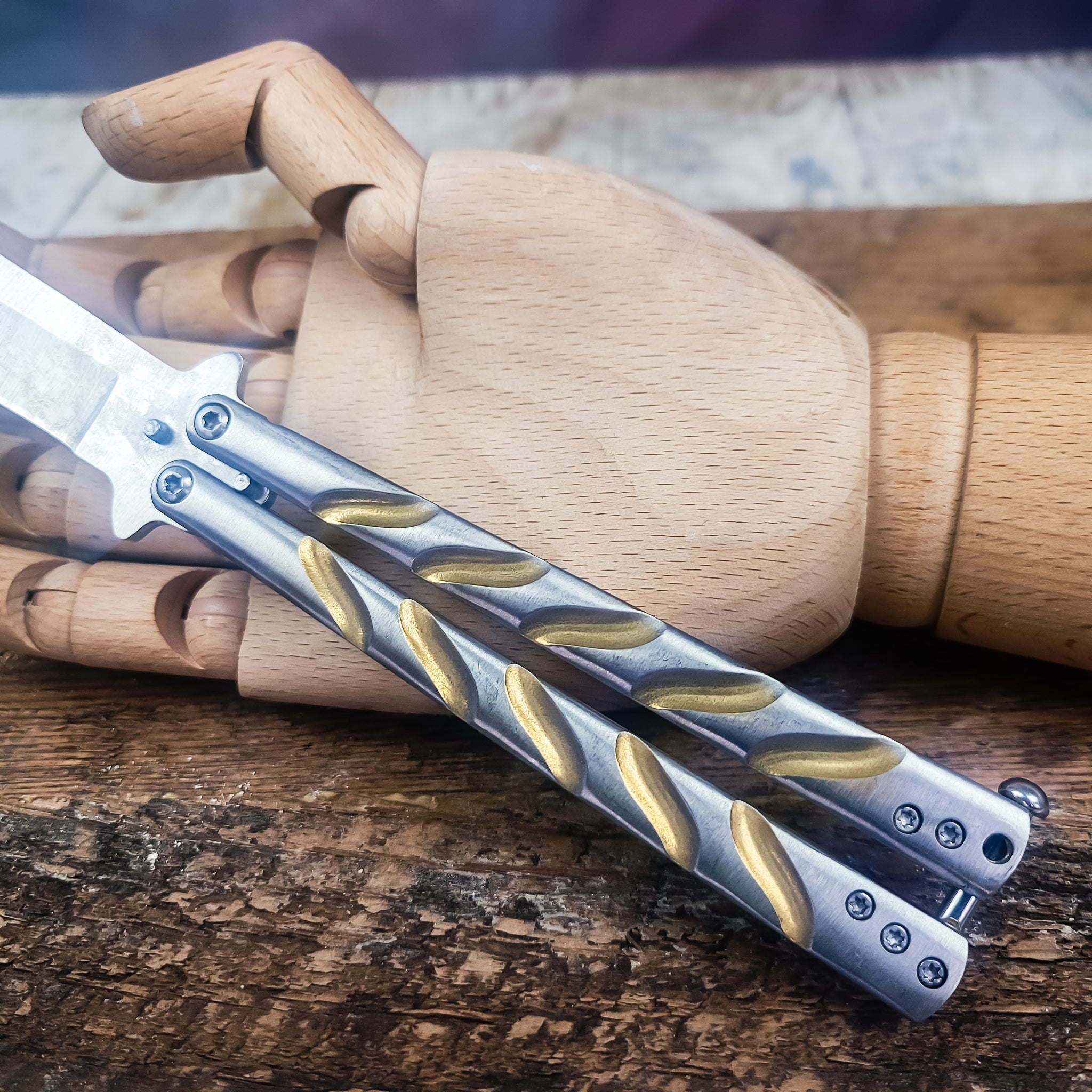
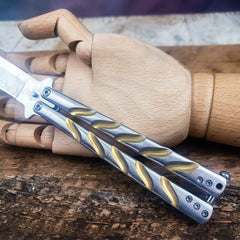
Morpheus Bailisong flip knife Butterfly Blade
$ 42.99$ 21.99 SALE NEWMorpheus Bailisong flip knife Butterfly Blade
$ 21.99$ 42.99This knife is a bali gold tooled lines in the handle, a unique design.. The flip knife design has a tooled aircraft aluminum handle. The sharp single edge blade is made from 440...View full product details → -
 QUICK VIEW
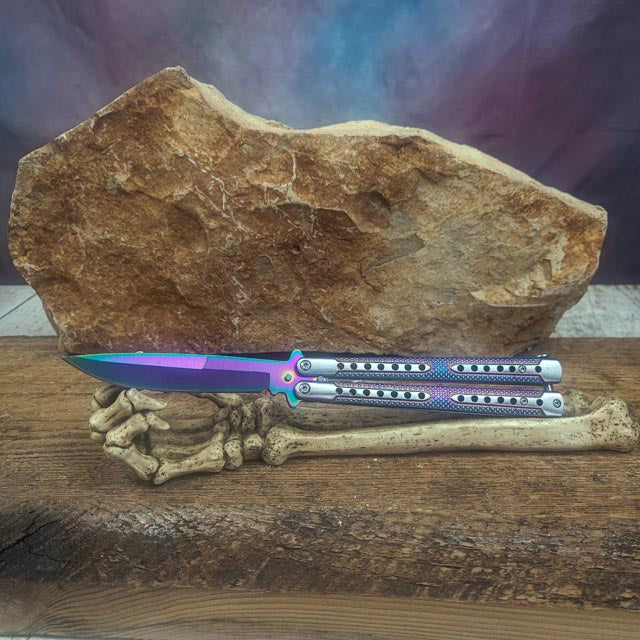
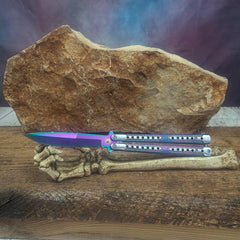
Bundock Titanium Rainbow Checkered Tool Butterfly Bailisong flip knife Butterfly Blade 4.5" blade
$ 54.99$ 26.99 SALE NEWBundock Titanium Rainbow Checkered Tool Butterfly Bailisong flip knife Butterfly Blade 4.5" blade
$ 26.99$ 54.99This knife is a bali designed from Bundock styled blades blades. The is a more complicated Philippine design has a tooled aircraft handle which checkerboard cuts and original styled holes. handle. Knife is...View full product details → -
 QUICK VIEW
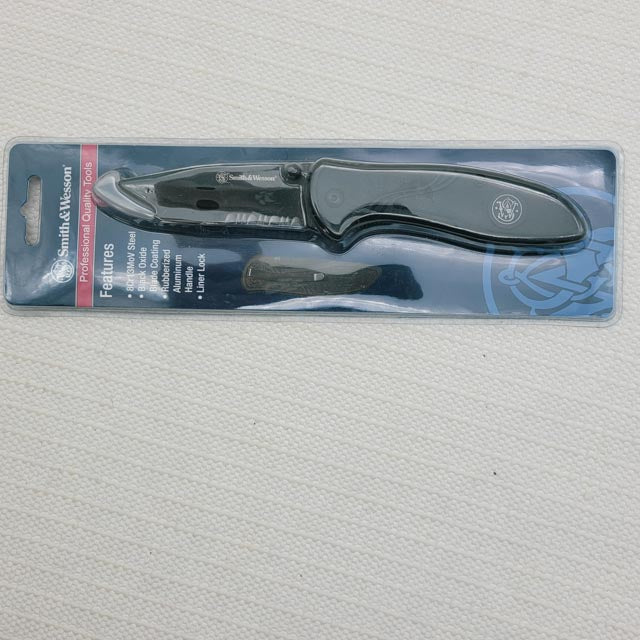
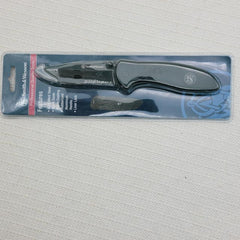
Smith & Wesson SW1102TS Folding Knife Discontinued Model
$ 39.99$ 19.99 SALE NEWSmith & Wesson SW1102TS Folding Knife Discontinued Model
$ 19.99$ 39.998.07 inch (20.5 cm) overall length with a blade length of 3.5 inches (8.89 cm) and a weight of 3.9 ouncesBlade is made of reliable 8Cr13MoV Black Oxide Coated High...View full product details → -
 QUICK VIEW
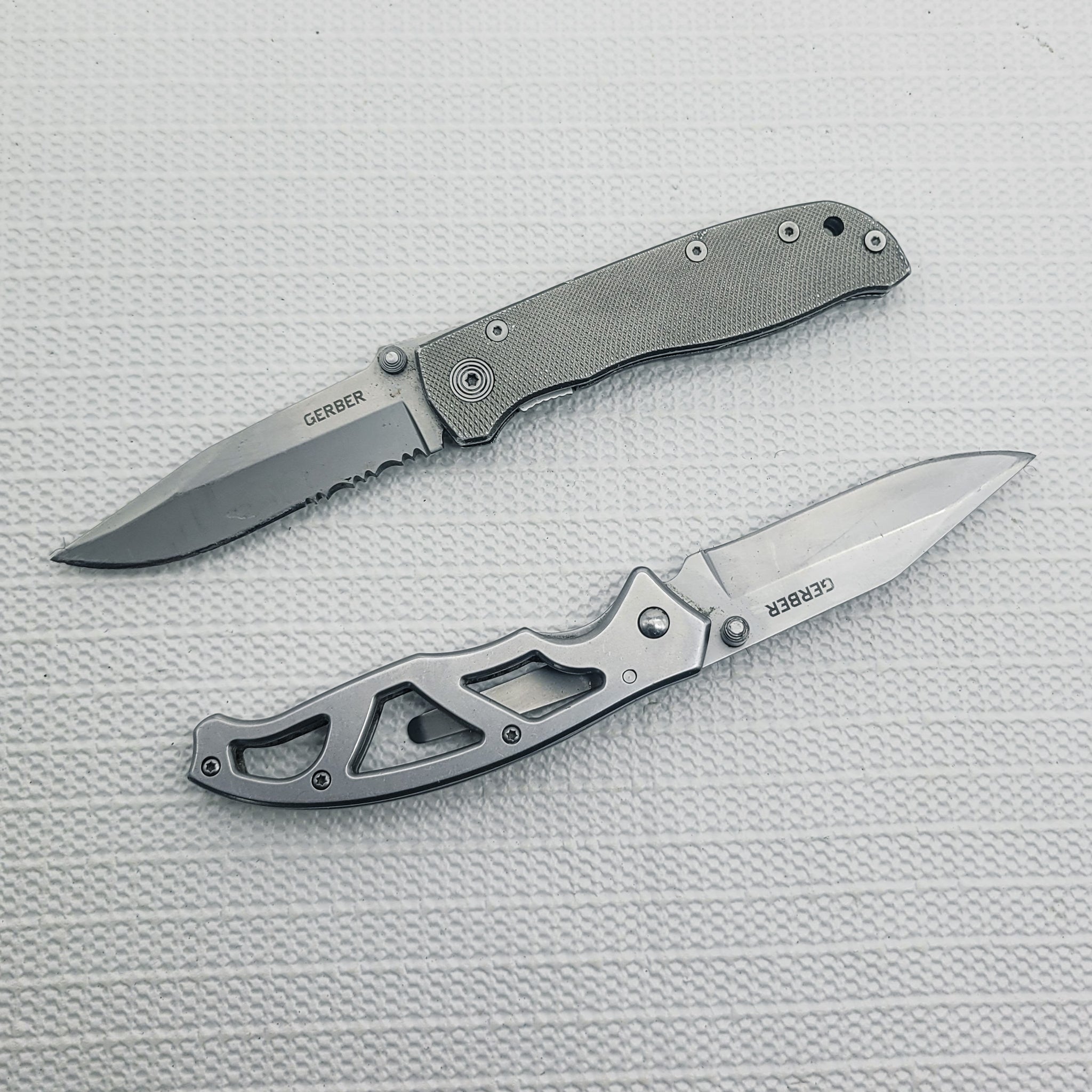
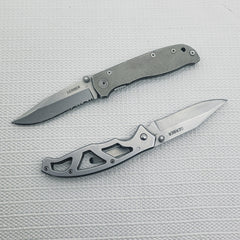
Used Gerber 2 knife lot
$ 30.00$ 15.00 SALE NEWUsed Gerber 2 knife lot
$ 15.00$ 30.00This lot is 2 Gerber Knives made in china, not oregon, most likely sold at wallmart. You can see them well in the pictures. Both are some type of stainless,...View full product details → -
 QUICK VIEW
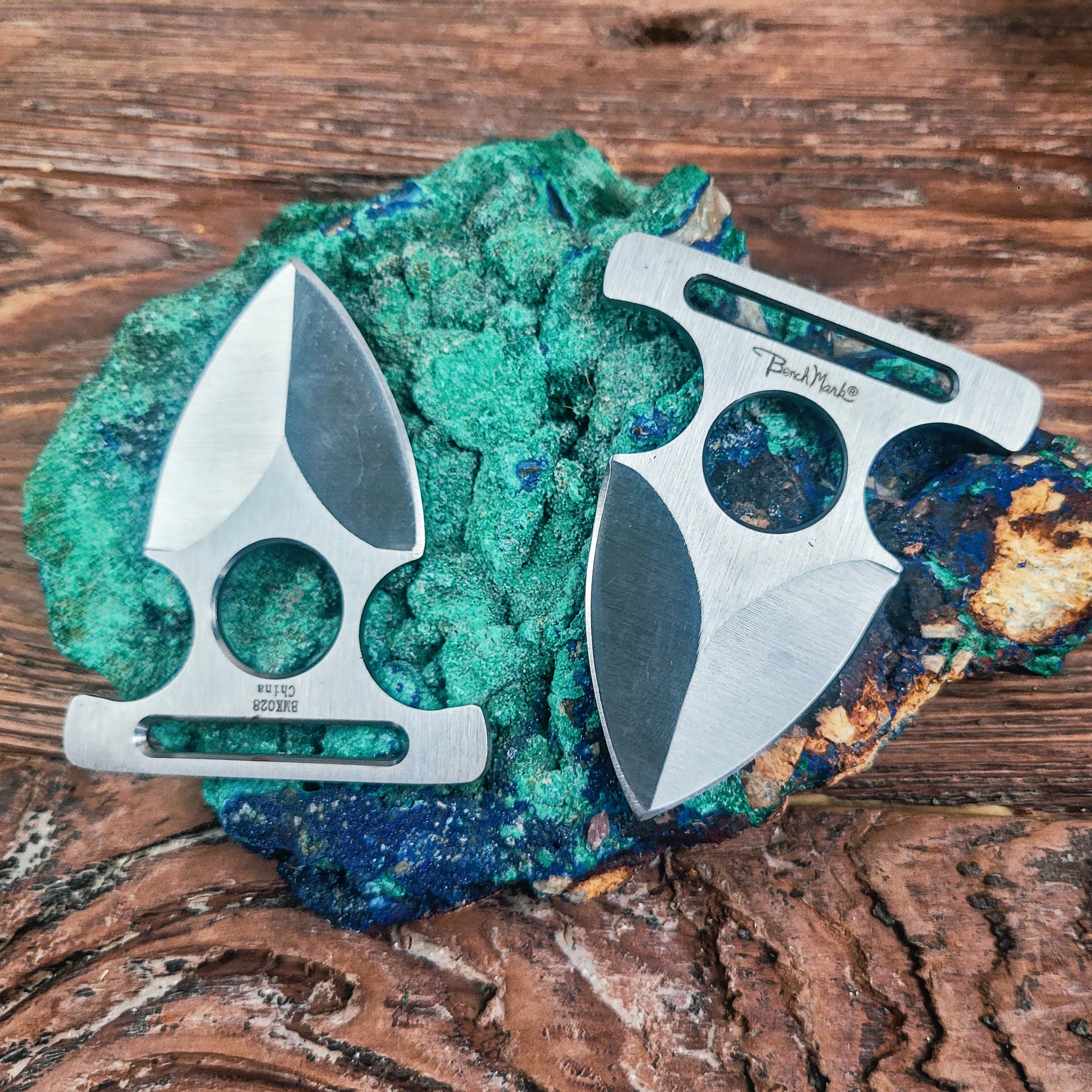
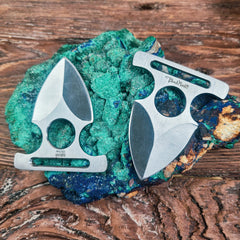
Benchmark Brushed silver 2 Push Dagger lot K028 Fixed Spear Point Blade Knife with sheaths
$ 32.99$ 16.99 SALE NEWBenchmark Brushed silver 2 Push Dagger lot K028 Fixed Spear Point Blade Knife with sheaths
$ 16.99$ 32.99From a local collector. There are two daggers in this offering. These push daggers have been discontinued since the 90's. Benchmark Knives. Founded in the late 70s, Benchmark Knives paved...View full product details → -
 QUICK VIEW
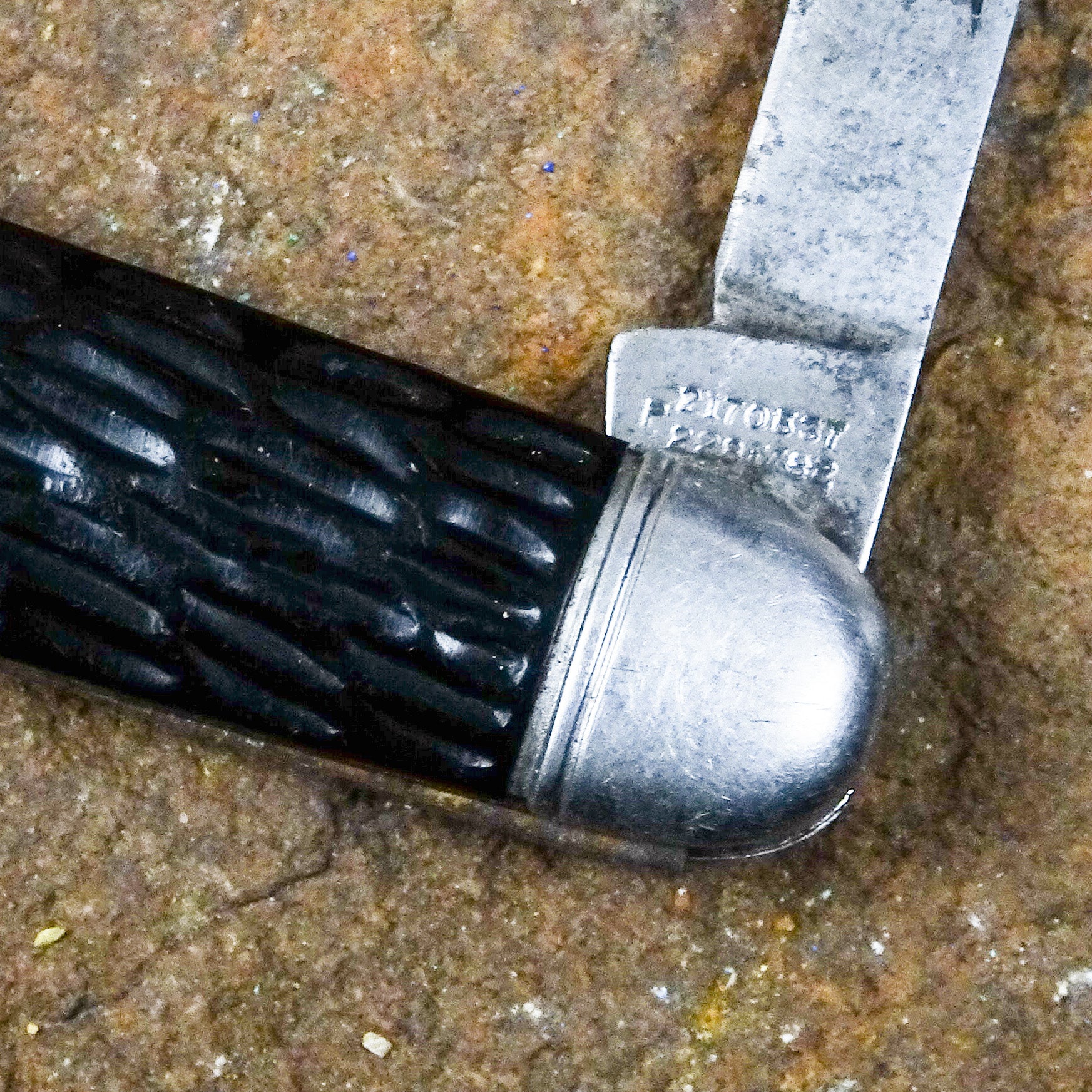
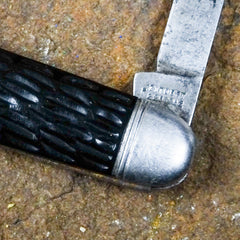
Imperial knife 2170537 2281782 1950’s Era 2 pen blades USA pocket knife
$ 38.00$ 22.00 SALE NEWImperial knife 2170537 2281782 1950’s Era 2 pen blades USA pocket knife
$ 22.00$ 38.00Used from local collector. You can see the wear in the pictures.View full product details → -
 QUICK VIEW
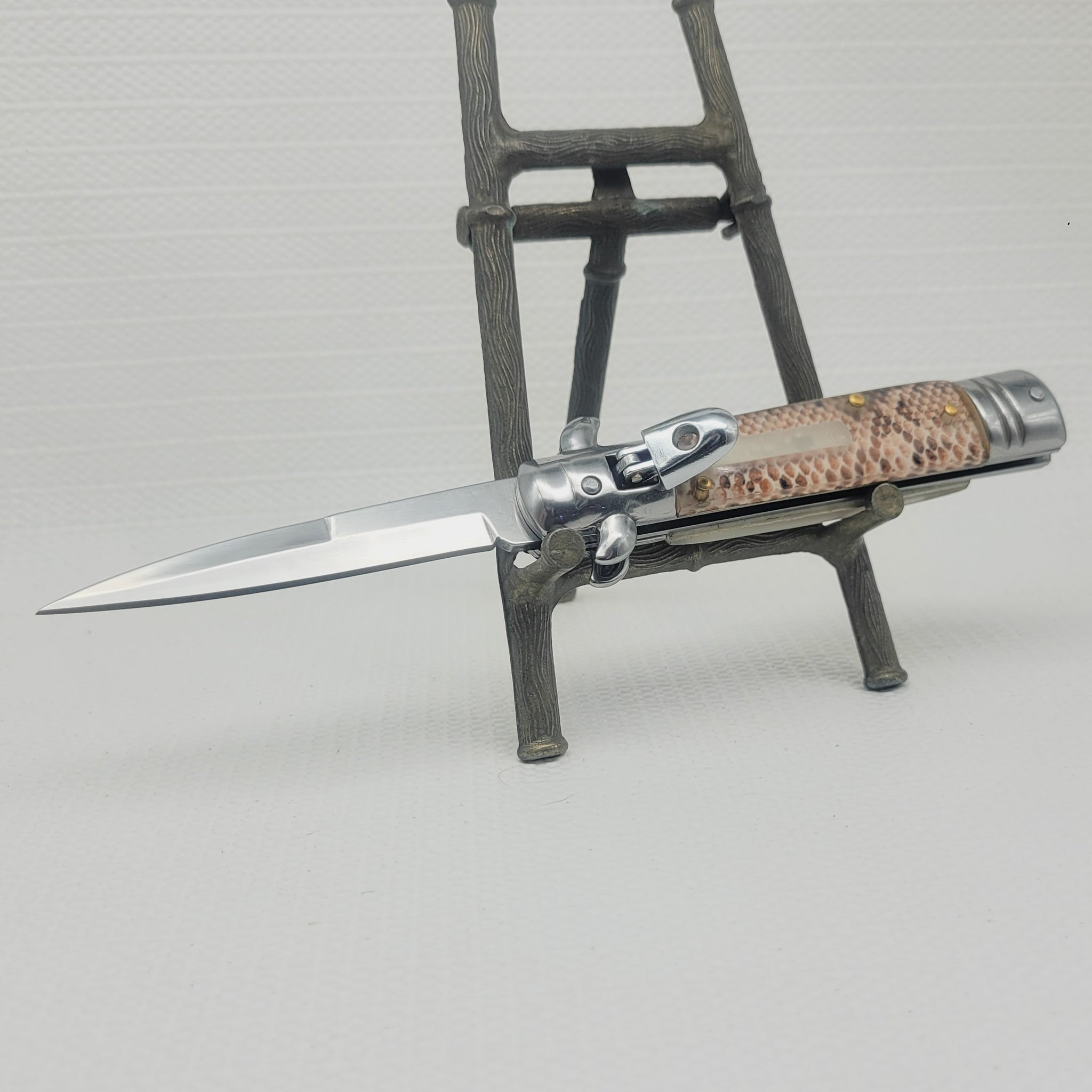
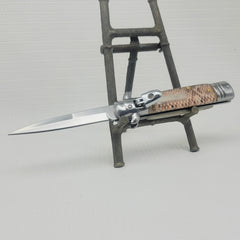
Authentic Sicilian Style Stiletto Lever Lock Classic Style Automatic Godfather Faux Snake
$ 52.99$ 26.99 SALE NEWAuthentic Sicilian Style Stiletto Lever Lock Classic Style Automatic Godfather Faux Snake
$ 26.99$ 52.99This is an authentic style Sicilian automatic. This is what is called a lever lock or side pull. The button lock stays flush until you need the blade. Flip the...View full product details → -
 QUICK VIEW
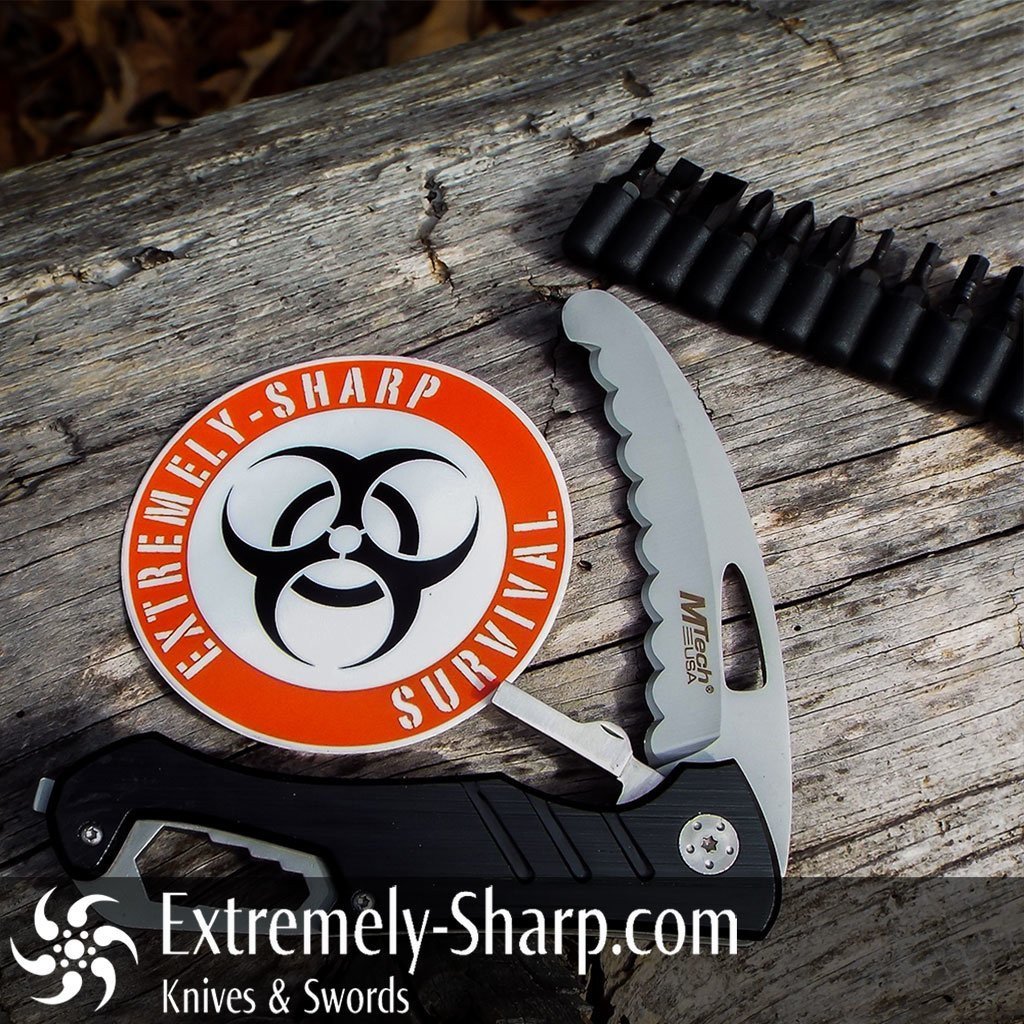
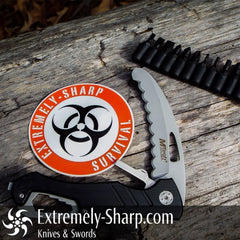
Bullet Multi-Tool and Liner Lock Seat Belt Cutter Pocket Knife
$ 29.95$ 17.95 SALEBullet Multi-Tool and Liner Lock Seat Belt Cutter Pocket Knife
$ 17.95$ 29.95This is a beautiful rescue knife. Keep in the car or wear on your side. A great tool for any first responders. The Bullet Multi Tool is 8" long open...View full product details →